Mocktail · the Aperol Spritz, without the booze
Non-Alcoholic Spritz
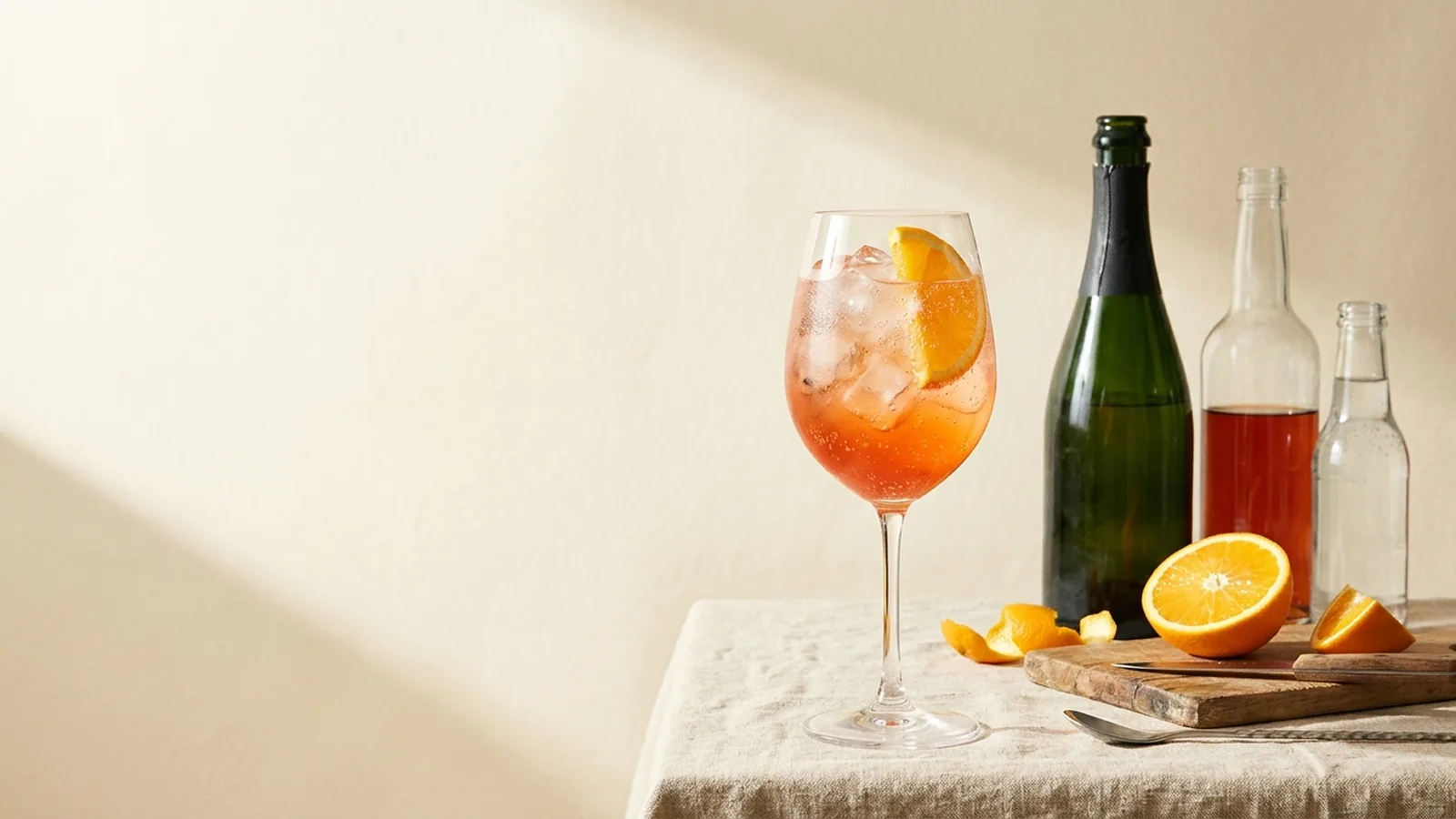
The Aperol spritz's 3-2-1 ratio, zero-proof: 3 oz NA sparkling wine, 2 oz NA bittersweet aperitif, 1 oz soda over ice. Built on PUNCH's classic spec.
- Prep
- 2 min
- Serves
- 1
- Glass
- wine
- Calories
- n/a
The short version
Fill a wine glass with ice and add 3 oz NA sparkling wine, 2 oz NA bittersweet orange aperitif and 1 oz soda water, then stir once and garnish with an orange half-wheel. That is PUNCH's 3-2-1 Aperol Spritz ratio with NA bottles swapped in.
Ingredients
- 3 ozNA sparkling wine, well chilled
- 2 ozNA bittersweet orange aperitif
- 1 ozsoda water
Garnish: Orange half-wheel (add a green olive for the Venetian touch)
Method
- 1
Fill a large stemmed wine glass with ice.
- 2
Pour in the NA sparkling wine first, then the aperitif, so it mixes as it falls.
- 3
Top with the soda water.
- 4
Stir once, gently, and garnish.
Alcohol check
Depends on the bottles. NA sparkling wines are usually dealcoholized and labelled under 0.5% ABV, and many aperitifs are too; if both are under 0.5%, so is the spritz. Check both labels if you need 0.0.
Built from published classic specs and bartender sources, not kitchen-tested by us. How we research
The spritz is the easiest classic to take zero-proof, because it was always a low-alcohol, mostly-bubbles drink. The structure carries over; you just need two decent bottles.
Why this ratio works
PUNCH's Aperol Spritz is 3 oz prosecco, 2 oz Aperol and 1 oz soda water over ice in a wine glass. That 3-2-1 ratio balances dry bubbles, bittersweet orange and a little dilution. With NA bottles it still works, but the choices matter more:
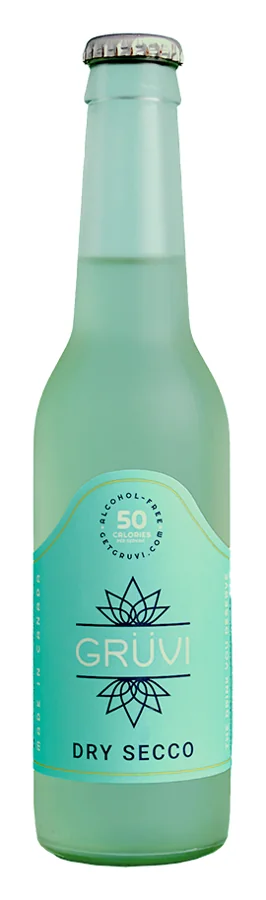
- Sparkling: a dry NA sparkling wine keeps the spritz from turning sweet. Gruvi Dry Secco, Fre Brut and Mionetto Alcohol Free Sparkling are all in our database.
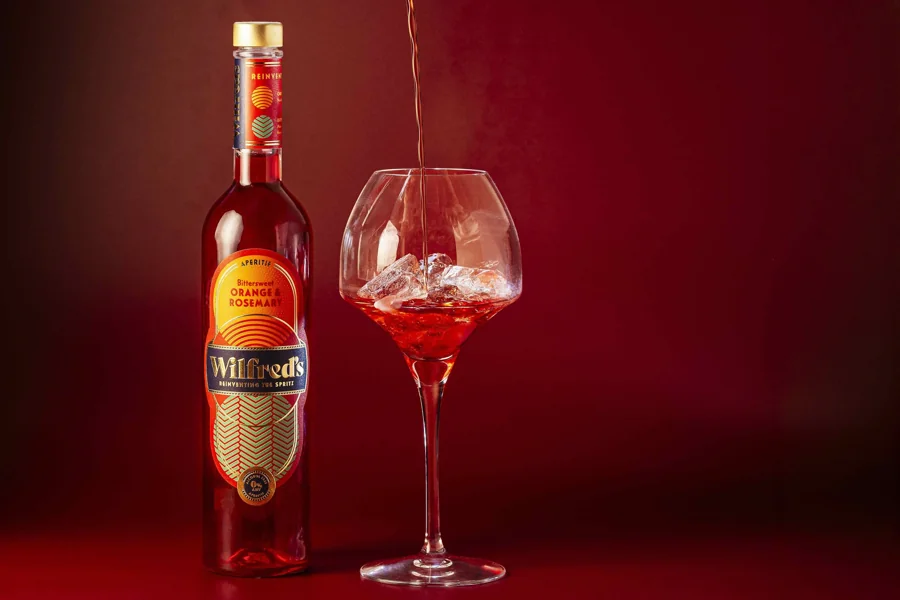
- Aperitif: a bittersweet, orange-forward aperitif plays the Aperol role. Wilfred's leans orange and rosemary; Ghia is more bitter and herbal; Lyre's Italian Orange is closer to Campari and makes a more bitter spritz.
Tip: If your aperitif is very bitter, go 3 oz sparkling, 1 1/2 oz aperitif, 1 1/2 oz soda.
The key technique: build cold, stir once
Chill the sparkling wine well before opening, add the bubbles first, then the aperitif. One gentle stir is enough. Stirring hard flattens the drink.
The no-bottles fallback
No NA aperitif? A respectable spritz-style drink: 3 oz NA sparkling wine, 1 oz fresh orange juice, 1/4 oz fresh grapefruit juice and 1 oz soda. It loses the bitterness but keeps the look and the brunch role. Our cranberry rosemary spritz is another fresh-ingredient take on the same 3-2-1 structure.
Batch version (pitcher, 6 drinks)
Mix 12 oz aperitif with 6 oz soda in a chilled pitcher. Pour 3 oz into each ice-filled glass and top with 3 oz sparkling wine at the table, so the bubbles survive.
Common mistakes
- Warm sparkling wine. It foams over and goes flat.
- Small glass. A spritz needs a big wine glass full of ice.
- Sweet NA sparkling. Moscato-style bottles make it cloying. Look for brut or dry on the label.
Bottom line: Keep the 3-2-1 ratio, use a dry NA sparkling wine, and choose your aperitif by how bitter you like it. Our best non-alcoholic champagne and best non-alcoholic aperitif pages compare the bottles.
Tips
- Chill everything, including the glass.
- Add the green olive on a pick for the classic Venetian garnish.
- Open a fresh NA sparkling bottle; resealed bottles lose fizz fast.
Questions
What is the spritz ratio?
3 parts sparkling wine, 2 parts aperitif and 1 part soda water, as in PUNCH's Aperol Spritz.
What can replace Aperol in a non-alcoholic spritz?
A bittersweet NA aperitif such as Wilfred's or Ghia, or Lyre's Italian Orange for a more bitter, Campari-like spritz.
Is a non-alcoholic spritz 0.0%?
Only if both bottles are 0.0%. Many NA sparkling wines and aperitifs are labelled under 0.5% ABV, so check the labels.
Calorie estimate: No USDA basis: the sparkling wine and aperitif are branded NA products whose calories vary widely by brand. Add the label calories for 3 oz and 2 oz; soda water is 0 kcal (USDA).