Blog · 6 picks
Does non-alcoholic wine go bad? What the producers say
Dry Shelf Editorial · Updated · 6 min read
Quick answer
Yes, and faster than regular wine, because the alcohol that preserves wine has been removed. Refrigerated and sealed, an opened bottle lasts one to seven days depending on the producer: Fre says one to two days, ARIEL and Surely five, Stella Rosa up to a week. Unopened, it keeps one to three years but does not improve with age.
Start here
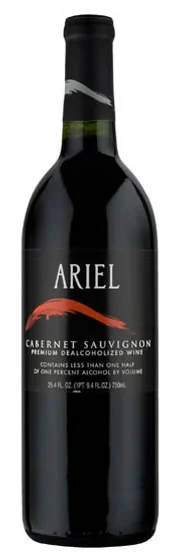
ARIEL
Cabernet Sauvignon
J. Lohr's production sheet says the Cabernet is best enjoyed within five days of opening, one of the longer windows we found for a still wine.
| # | Drink | ABV | kcal | Sugar | $/serving | Buy |
|---|---|---|---|---|---|---|
| 1 | Best still red to open midweek ARIEL ARIEL Cabernet Sauvignon | <0.5% ABV | 39 | — | $2.00 | Brand store |
| 2 | 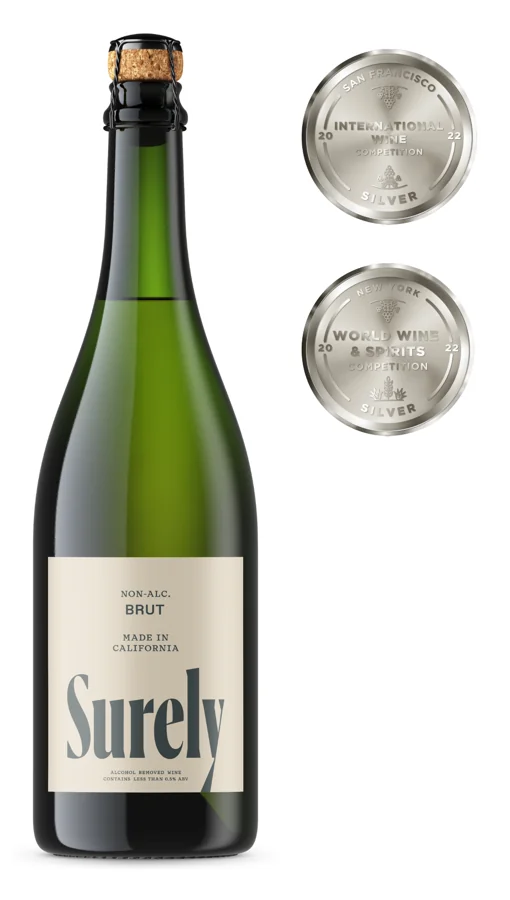 Longest stated sparkling window Surely Non-Alcoholic Sparkling Brut | <0.5% ABV | 15 | 2 g | $5.00 | Brand store |
| 3 | 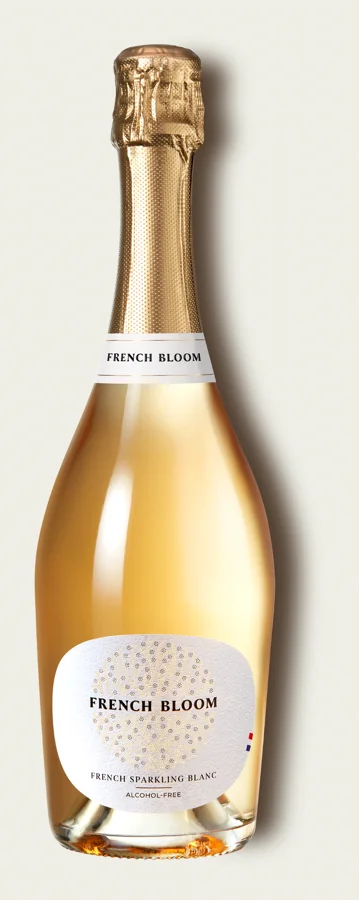 Best 0.0% bottle to recap French Bloom Le Blanc | 0.0% ABV | 15 | 3.6 g | $7.80 | Buy on Amazon |
| 4 | 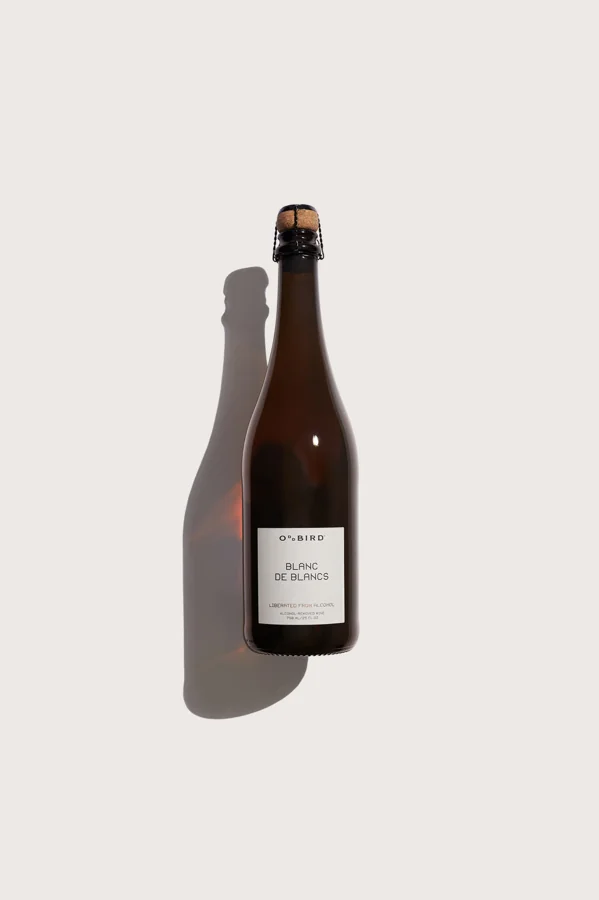 Best for a long unopened shelf Oddbird Blanc de Blancs | <0.5% ABV | 30 | 5.7 g | $5.00 | Buy on Amazon |
| 5 | 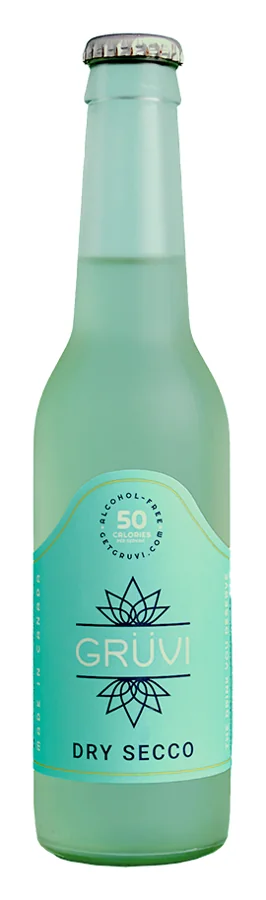 Best for no leftovers Grüvi Non-Alcoholic Dry Secco | 0.0% ABV | 50 | 11 g | $4.50 | Buy on Amazon |
| 6 | 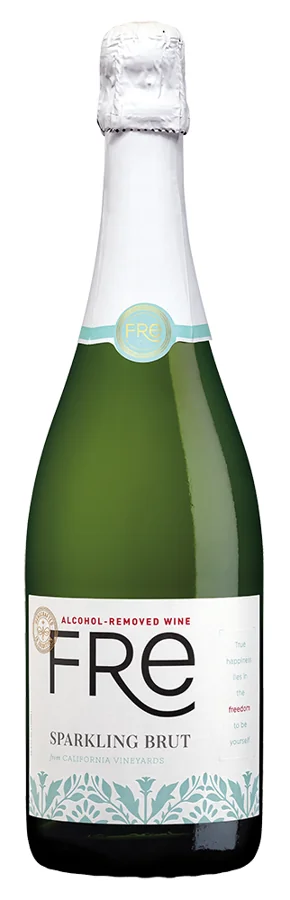 Best for finishing tonight | <0.5% ABV | 51 | — | $2.20 | Brand store |
Longest stated sparkling window
Surely Non-Alcoholic Sparkling Brut
<0.5% ABV15 kcal2 g sugar$5.00/serving
Key takeaways
- Producer windows for an opened bottle range from 1 to 2 days (Fre) to up to a week (Stella Rosa Naturals), so the generic 3 to 5 days is only an average.
- Removing the alcohol removes wine's built-in preservative, which a 2025 review says leaves dealcoholized wine more prone to microbial and oxidative spoilage.
- Sparkling NA wine goes flat long before it goes bad: drink it the same evening for the fizz.
- With no stated window, plan on 2 days, the most cautious producer statement we found.
- Unopened bottles keep for 1 to 3 years by producer estimates, but they are not made for cellaring.
We research rather than taste-test: label data comes from brand pages checked . How we research
On this page7 sections
Yes. Opened non-alcoholic wine goes bad faster than regular wine, and how fast depends on the brand more than on any rule of thumb. In the fridge with a good seal, the producers we checked give windows from one day to a week. Fre says one to two days, Oddbird two to five, ARIEL and Surely five, French Bloom four to five, and Stella Rosa up to a week for its Naturals line. Unopened, it lasts far longer, somewhere between one and three years depending on who you ask, but it does not improve with age.
The "three to five days" figure repeated across the web is roughly the middle of producer statements that run from one day to seven. If the bottle or the producer gives a window, use that one.
Why alcohol-removed wine is the fragile one
Regular wine carries its own preservative: alcohol. A 2025 review of dealcoholized wine in Comprehensive Reviews in Food Science and Food Safety puts it plainly: removing the alcohol removes that protection and leaves the wine more open to microbial, oxidative and chemical instability. The same review lists what decides how fast any wine spoils:
- alcohol content (here, close to zero),
- residual sugar,
- pH and acidity,
- how much oxygen gets in,
- which yeasts and bacteria are present,
- and the stabilising treatments and preservatives the producer used.
Producers fight back with sulfur dioxide, other permitted preservatives, flash pasteurization or sterile filtration. The review notes that one vacuum-distillation study saw sulfur dioxide levels fall during alcohol removal, which matters because SO2 guards against both microbes and oxidation. It also says research on how pasteurized dealcoholized wine holds up is scarce. Our explainer on how dealcoholized wine is made covers the removal methods themselves.
Note: Once you pull the cork, oxygen and airborne microbes get in, and none of the factory protections fully make up for the missing alcohol. That is why every producer we checked says to refrigerate after opening.
What the producers actually say
Generic advice blends these into one number. Here are the windows the producers themselves give, side by side, each linked to the page we read on 2026-11-26.
| Producer | Bottle on Dry Shelf | Opened, refrigerated | Unopened | Source |
|---|---|---|---|---|
| Fre | Fre Brut, Fre Chardonnay | 1–2 days | Store like regular wine: cool, dark, upright | Fre FAQ |
| Oddbird | Blanc de Blancs | 2–5 days, depending on how much is left | About 3 years before the flavour shifts | Oddbird's Rebecka Olsson, via Drinkhacker |
| French Bloom | Le Blanc | Up to 4–5 days with an airtight sparkling cap | Not stated | French Bloom FAQ |
| ARIEL (J. Lohr) | Cabernet Sauvignon | Within 5 days | Not stated | J. Lohr production outline |
| Surely | Sparkling Brut | Within 5 days | 2-year shelf life; Surely suggests drinking within 12 months | Surely FAQ |
| Stella Rosa | Naturals non-alcoholic range | Up to a week | Not stated | Stella Rosa storage guide |
Three things stand out.
- The cheapest, most widely sold brand gives the shortest window. Fre, at about $11 a bottle, says one to two days. Plan to finish a Fre bottle the night you open it or the next.
- "No sulfites" does not automatically mean "turns fastest." French Bloom says it adds no sulfites or preservatives, yet it gives four to five days with a proper cap. Surely, which says it uses small amounts of sulfites, gives five. Two data points prove nothing about sulfites in general, but they do show you cannot read shelf life off the ingredient list.
- Sparkling bottles go flat long before they go bad. Oddbird's Olsson told Drinkhacker that opened sparkling wine loses its fizz quickly even with a special stopper. The four-to-five-day windows describe flavour, not bubbles.
Label check: Look for the producer's own "enjoy within" line on the back label, the brand's FAQ or its tech sheet before relying on any general figure, including ours.
How long to plan for, bottle by bottle
When a producer gives no window, our working rule is to assume the shortest one we found, two days. That is our editorial default, not a measured shelf life.
| What you opened | Plan to finish it within | Why |
|---|---|---|
| A Fre still or sparkling wine | 1–2 days | Fre's own window |
| Any sparkling wine, for the fizz | The same evening | Bubbles fade first |
| Sparkling wine, for flavour only | The producer's window, cap on | French Bloom and Surely give 4–5 days |
| A still red or white with a stated window | That window | ARIEL and Surely say 5 days |
| A bottle with no stated window | 2 days | The most cautious producer statement |
| A bottle that is mostly empty | Sooner than the window | More air in the bottle; Oddbird ties its range to how much is left |
If you only ever want one glass, the leftover problem disappears with small formats. Grüvi Dry Secco comes in 270 ml single-serve bottles, a bit under two standard glasses each.
How to store an opened bottle
- Seal it the moment you finish pouring. Use a clamp-on champagne stopper for sparkling wine and a vacuum pump or tight stopper for still wine. Our wine stopper guide compares the options, and never use a vacuum pump on sparkling wine, since it pulls out the carbonation.
- Refrigerate it, still or sparkling, red or white. Every producer above says so. A dedicated beverage fridge helps if the kitchen fridge is full.
- Keep it in the main body of the fridge, upright. Stella Rosa's storage guide recommends this over the door, to limit light exposure.
- Write the date you opened it on the label. A five-day window is easy to lose track of.
Tip: Oddbird's Olsson told Drinkhacker a vacuum pump extends the window only slightly. Treat a pump as a way to reach the producer's window, not to beat it.
Unopened bottles: shelf life and storage
Unopened, non-alcoholic wine is far more forgiving. Surely gives its wines a two-year shelf life but suggests drinking them within 12 months of purchase, and Oddbird's Olsson puts an unopened bottle at about three years before the flavour starts to change. Fre's advice is to store it like regular wine: somewhere cool and dark.
The trade-off is that these wines are not made for the cellar. Olsson says they do not improve with age the way alcoholic wine can, and the 2025 review describes dealcoholized wine as sensitive to oxidation. Buy what you will drink this year rather than laying bottles down. If a store has dusty stock, check for a bottling or lot date.
Signs your non-alcoholic wine has gone bad
The 2025 review lists what spoilage looks like in wine generally. In practice, check for:
- A sharp, vinegary smell. Acetic acid and volatile acidity rise as spoilage bacteria work.
- Haze in a wine that poured clear.
- A thicker, oily or slick texture compared with the first glass.
- Off odours that were not there when you opened it, such as nail-polish or barnyard notes.
Flat is not the same as spoiled. A sparkling wine that has lost its fizz but still smells clean and fruity can go into a punch or a non-alcoholic sangria the next day.
Watch out: If a bottle smells of vinegar or looks cloudy when it was clear, pour it out. Do not taste it to check.
Wine versus NA beer
Non-alcoholic beer has a version of the same problem, but it comes in single-serve cans and bottles, and sealed, pasteurized cans from big breweries are very stable, so the open-bottle question rarely comes up. Our guide to whether non-alcoholic beer goes bad covers its shelf life. With wine, a 750 ml bottle is five glasses, and that is where the short window bites. For a party, the party calculator helps you open only as many bottles as the crowd will finish, and our best non-alcoholic wine and best NA sparkling wine lists rank what to buy.
Bottom line: Refrigerate and seal every opened bottle, follow the producer's window, and when there is none, finish it within two days.
6 picks
The picks, in detail
1Best still red to open midweek
ARIEL
Cabernet Sauvignon
J. Lohr's production sheet says the Cabernet is best enjoyed within five days of opening, one of the longer windows we found for a still wine.
- ABV
- <0.5%
- Calories
- 39
- Sugar
- n/a
- Per serving
- $2.00
2Longest stated sparkling window
Surely says to refrigerate after opening and enjoy within five days, and gives unopened bottles a two-year shelf life.
- ABV
- <0.5%
- Calories
- 15
- Sugar
- 2 g
- Per serving
- $5.00
3Best 0.0% bottle to recap
French Bloom
Le Blanc
French Bloom says an airtight sparkling cap keeps its flavour for up to four to five days in the fridge, with no added sulfites or preservatives.
- ABV
- 0.0%
- Calories
- 15
- Sugar
- 3.6 g
- Per serving
- $7.80
4Best for a long unopened shelf
Oddbird
Blanc de Blancs
Oddbird puts an unopened bottle at about three years before the flavour changes, and an opened one at two to five days.
- ABV
- <0.5%
- Calories
- 30
- Sugar
- 5.7 g
- Per serving
- $5.00
5Best for no leftovers
Sold in 270 ml single-serve bottles, so there is no half-finished bottle to keep track of.
- ABV
- 0.0%
- Calories
- 50
- Sugar
- 11 g
- Per serving
- $4.50
6Best for finishing tonight
Fre says to enjoy its wines within one to two days of opening, so it suits a party where the bottle will be emptied.
- ABV
- <0.5%
- Calories
- 51
- Sugar
- n/a
- Per serving
- $2.20
Questions
How long does non-alcoholic wine last once opened?
Refrigerated and sealed, one to seven days depending on the producer. Fre says one to two days, Oddbird two to five, ARIEL and Surely five, French Bloom four to five with an airtight cap, and Stella Rosa up to a week for its Naturals. With no stated window, plan on two days.
Does non-alcoholic wine need to be refrigerated after opening?
Yes. Every producer we checked says to refrigerate an opened bottle, still or sparkling, red or white. Without alcohol to slow spoilage, room temperature shortens its life.
Does unopened non-alcoholic wine expire?
It keeps a long time but not forever. Surely gives a two-year shelf life and suggests drinking within 12 months, and Oddbird estimates about three years before the flavour changes. It does not improve with age, so buy what you will drink within the year.
How can you tell if non-alcoholic wine has gone bad?
A sharp vinegar smell, haze in a wine that poured clear, a thicker or oily texture, or new off odours are the usual signs. If you notice any of them, pour it out rather than tasting it.
Is flat non-alcoholic sparkling wine spoiled?
Not necessarily. Bubbles fade within hours even with a stopper, but the wine can still be sound for the producer's window. If it smells clean, use it in a punch or sangria.
Keep going
Tool
Party drinks calculator →
Tool
0.0 or 0.5? Label decoder →
Read next
Does non-alcoholic beer go bad?
Read next
How dealcoholized wine is made
Read next
The best non-alcoholic wine in 2026
Read next
The best non-alcoholic champagne and sparkling wine in 2026
Read next
Non-alcoholic sparkling wine: how it's made and what to pour
Head to head
Fre Sparkling Brut vs Mionetto Alcohol-Removed Sparkling
Recipe
Non-Alcoholic Sangria
Recipe
Non-Alcoholic Spritz
Sources
- 1.Dealcoholized wine: Techniques, sensory impacts, stability, and perspectives of a growing industry (2025), Comprehensive Reviews in Food Science and Food Safety(checked November 26, 2026)
- 2.Fre — FAQ: how should FRE be stored and served(checked November 26, 2026)
- 3.J. Lohr — ARIEL Cabernet Sauvignon production outline (best enjoyed within five days of opening)(checked November 26, 2026)
- 4.Surely — FAQ: shelf life and opened bottles(checked November 26, 2026)
- 5.French Bloom — FAQ: storing an opened bottle(checked November 26, 2026)
- 6.Stella Rosa — How to store opened Stella Rosa wines(checked November 26, 2026)
- 7.Drinkhacker — How should you store non-alcoholic wines? (Oddbird's Rebecka Olsson)(checked November 26, 2026)