Blog · 6 picks
Dry January benefits: what the research actually shows
Dry Shelf Editorial · Updated · 6 min read
Quick answer
The best-measured Dry January benefits come from one clinical study of 94 moderate-to-heavy drinkers: after a month off alcohol, insulin resistance, blood pressure, weight and liver enzymes all fell. Better sleep, more energy and money saved are reported in participant surveys, not measured. People who try Dry January tend to drink less six months later, not more.
Start here
Heineken
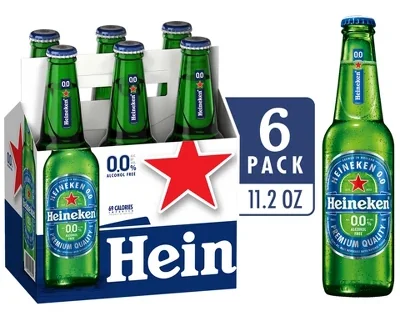
Heineken 0.0
A true 0.0% lager at 69 calories and zero sugar a serving, per Heineken's US nutrition panel, and stocked almost everywhere.
| # | Drink | ABV | kcal | Sugar | $/serving | Buy |
|---|---|---|---|---|---|---|
| 1 | Best 0.0% beer Heineken Heineken 0.0 | 0.0% ABV | 69 | 0 g | $1.67 | Brand store |
| 2 | 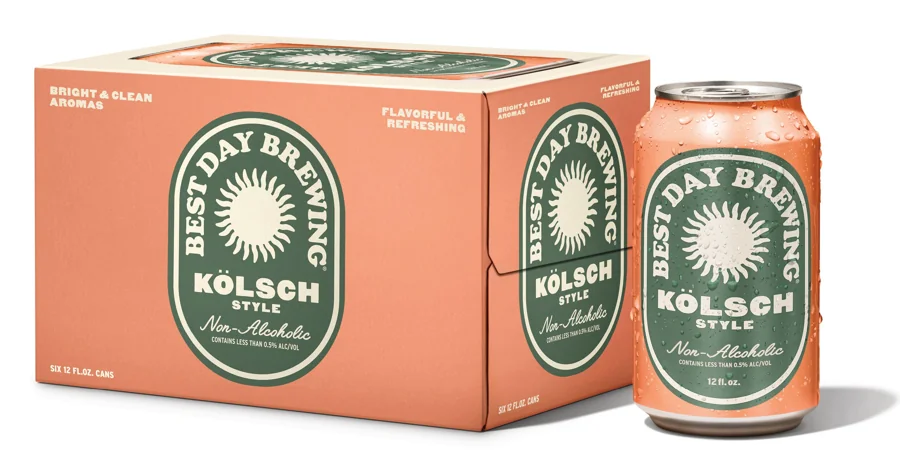 Lightest beer Best Day Brewing Kölsch | <0.5% ABV | 55 | 1 g | $2.33 | Buy on Amazon |
| 3 | 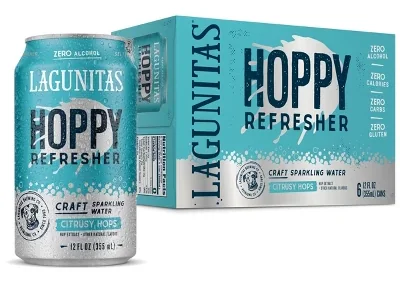 Zero-calorie fizz Lagunitas Lagunitas Hoppy Refresher | 0.0% ABV | 0 | 0 g | $1.50 | Brand store |
| 4 | 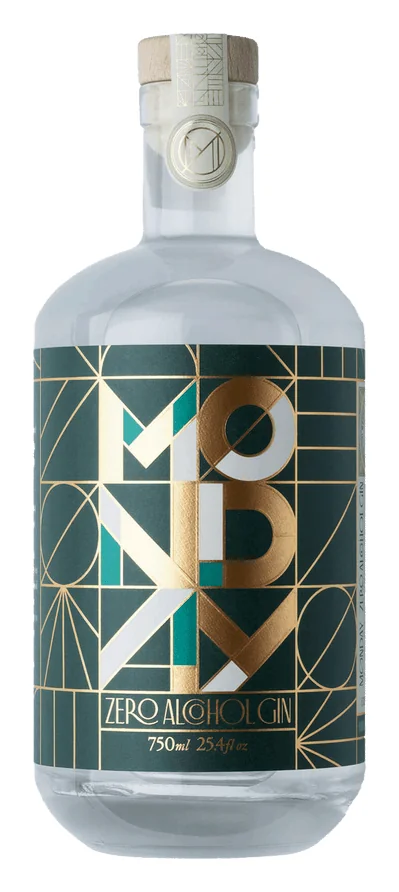 Best sugar-free mixer Monday Monday Zero Alcohol Gin | <0.5% ABV | 0 | 0 g | $3.20 | Buy on Amazon |
| 5 | 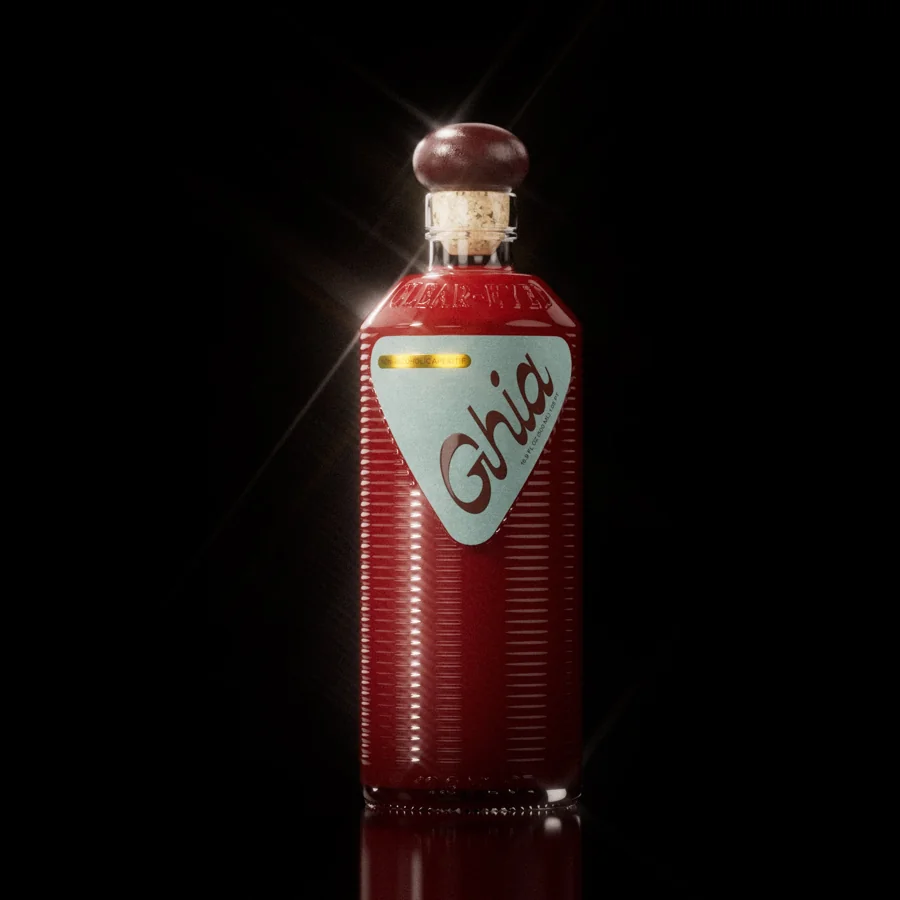 Best evening ritual Ghia Original Apéritif | 0.0% ABV | — | 6.1 g | $4.58 | Buy on Amazon |
| 6 | 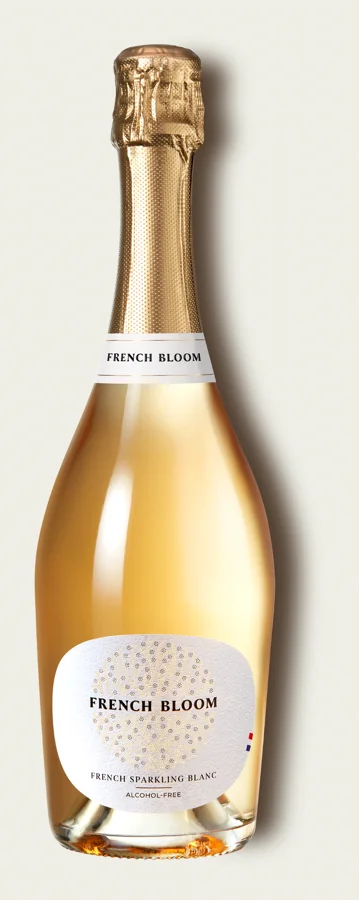 Best for a celebration French Bloom Le Blanc | 0.0% ABV | 15 | 3.6 g | $7.80 | Buy on Amazon |
Key takeaways
- Measured changes after one dry month come from a single non-randomized study: insulin resistance down about 26%, blood pressure down about 6%, weight down 1.5%.
- Sleep, energy and money benefits are self-reported by participants in University of Sussex surveys, so treat them as weaker evidence.
- Follow-up studies found participants drank less six months later and very few drank more, though people who sign up may already be ready to cut back.
- No study shows that one dry month prevents disease or reverses liver damage.
- People who drink heavily every day should get medical advice before stopping, because alcohol withdrawal can be dangerous.
We research rather than taste-test: label data comes from brand pages checked . How we research
On this page6 sections
A month without alcohol does measurably change a few things, but fewer than most lists claim. The strongest evidence, from one clinical study of 94 moderate-to-heavy drinkers, shows lower insulin resistance, blood pressure, weight and liver enzymes after four weeks. The popular claims about sleep, energy and money come from participant surveys. And the worry that you will "make up for it" in February is not borne out: people who try Dry January tend to drink less, not more, six months later.
This is a summary of the research, not medical advice. Below, each benefit is graded by the kind of evidence behind it.
Watch out: If you drink heavily every day or feel shaky, sweaty or anxious when you skip a drink, do not stop suddenly on your own. MedlinePlus warns that alcohol withdrawal can quickly become life-threatening, and Alcohol Change UK, which runs Dry January, says people who are clinically dependent can die if they stop completely and suddenly. Talk to a doctor first.
The two kinds of evidence
Almost everything written about Dry January traces back to two kinds of research:
- Participant surveys. Psychologist Richard de Visser at the University of Sussex has surveyed thousands of people who signed up through Alcohol Change UK, at registration, in February and again in August. These capture what people report about their sleep, energy, money and drinking. They are self-reported, and the people answering chose to take part.
- One measured clinical study. Mehta and colleagues (2018), BMJ Open, took blood tests and measurements from 94 healthy people who planned to stop drinking for a month and 47 who planned to carry on. Participants were not randomly assigned, and the authors note they were recruited through university teaching hospitals and New Scientist magazine, so they were probably more health-motivated than average.
There is no randomized trial of Dry January. Keep that in mind as you read the grades.
Dry January benefits, graded by the evidence
| Claimed benefit | Best study and what it found | Study type | Strength | What it does not show |
|---|---|---|---|---|
| Insulin resistance | Mehta 2018: HOMA score fell about 26% (median) after one month | Measured, non-randomized, 94 vs 47 | Moderate | Whether it lasts, or lowers diabetes risk |
| Blood pressure | Mehta 2018: systolic down 6.6%, diastolic down 6.3% (median) | Measured, non-randomized | Moderate | Effect in people with high blood pressure, or after February |
| Liver enzymes | Mehta 2018: ALT down 14.5%, GGT down 28.6% (median) | Measured, non-randomized | Moderate | That liver disease is reversed; people with liver disease were excluded |
| Weight | Mehta 2018: down 1.5% (median); Sussex 2019 release: 58% reported losing weight | Measured plus self-report | Moderate, small effect | Lasting weight loss |
| Sleep | Sussex 2019 release: 71% reported sleeping better | Self-report survey | Weak | Any measured sleep change in Dry January participants |
| Energy | Sussex 2019 release: 67% reported more energy | Self-report survey | Weak | An objective measure of energy |
| Money saved | Sussex 2019 release: 88% reported saving money | Self-report survey | Weak, but plausible | How much, or what was spent instead |
| Drinking less afterwards | de Visser 2016 and 2020: lower drinking at six months; Mehta: lower AUDIT scores at 6–8 months | Surveys, one with a comparison group | Moderate | Whether the month causes it, or the people who sign up were ready to cut down anyway |
"Strength" is our reading of study design and size, not a formal grading system.
What the clinical study measured
In Mehta 2018, people who stopped drinking for a month had fasting blood tests and blood pressure checks before and after. Compared with their own starting point, the abstinence group showed:
- Insulin resistance (HOMA score) down about 26%.
- Systolic and diastolic blood pressure each down about 6%.
- Weight down 1.5%.
- Liver enzymes ALT down 14.5% and GGT down 28.6%.
- Two growth factors linked to cancer (VEGF and EGF) down sharply.
The control group, who kept drinking, showed no significant changes in these measures. The researchers adjusted for self-reported changes in diet, exercise and smoking and found they did not explain the results.
These are real, measured changes. They are also short-term markers in 94 volunteers. The study does not show fewer heart attacks, less diabetes or less cancer, and it cannot rule out that people motivated to quit for a month changed other habits too. The changes are a snapshot after four weeks; the study did not retest them later.
Note: Weight and calories are where swaps matter. If your evening beer becomes an NA beer, check the label: many carry more carbohydrate than you would guess. Our NA beer calorie guide compares 20 of them.
Sleep, energy and money: what participants report
The University of Sussex's January 2019 release on 2018 participants reported that 71% slept better, 67% had more energy, 58% lost weight and 88% saved money. A later release on 2019 participants reported 72% sleeping better and 84% saving money.
Two cautions. These are online surveys of people who signed up for the challenge, and the first one shrank from 2,821 respondents at registration to 816 in August. People who had a good month may be more likely to keep answering.
For sleep, the general research supports the direction of the claim. A review of alcohol and sleep studies by Ebrahim and colleagues (2013) found that alcohol helps people fall asleep faster but disrupts sleep in the second half of the night at all doses, and delays the first period of REM sleep. Removing that disruption plausibly helps. What we could not find is a study that measured sleep in Dry January participants themselves.
Do people drink more afterwards?
This is the question critics raise most, and it is the best-studied one.
- The 2016 study. de Visser, Robinson and Bond (2016), Health Psychology followed 857 participants for six months. Taking part was linked to lower drinking and more confidence turning drinks down at six months, even among people who did not finish the month, and very few reported drinking more.
- The comparison-group study. de Visser and Piper (2020), Alcohol and Alcoholism compared 1,192 participants with 1,549 drinkers from the general population. Benefits seen among people who completed Dry January were not seen in the comparison group. It also found participants drank more heavily and were more concerned about their drinking than average.
- The clinical study's follow-up. In Mehta 2018, the abstinence group's median AUDIT drinking score had fallen from 10 to 7 at 6–8 months, among the 77 who answered the follow-up.
The limit is self-selection. People who sign up already want to cut back, and no study can randomly assign the month. "Dry January makes you drink less" is not proven; "people who try it usually drink less afterwards, and rarely more" is a fair summary.
If February looks like a return to normal drinking, alternating drinks is one way to hold onto some of the gain. Our zebra striping guide covers how that works.
How to do Dry January, briefly
The research points to two practical findings:
- Use support. de Visser and Nicholls (2020) found that greater use of the challenge's email support was linked to completing the month.
- Replace, don't just remove. Have something ready for the moments you usually pour a drink.
What to stock, week by week, is in our Dry January shopping plan, and the Dry January planner builds a 31-day calendar. The swap finder matches what you usually drink to its closest NA version, such as Heineken 0.0 for lager drinkers or Lagunitas Hoppy Refresher if you want no beer taste at all.
Label check: A US beer labelled "non-alcoholic" can hold up to 0.5% ABV. If your rule is zero alcohol, choose 0.0 or "alcohol free". The difference is explained in is 0.5% really alcohol-free?
Whether NA beer is a good idea in general is covered in is non-alcoholic beer bad for you?. If you are in recovery, NA drinks that mimic alcohol can trigger cravings for some people; our sober-curious guide leads with drinks that do not imitate anything.
Bottom line: The measured benefits of one dry month are real but modest and short-term, the sleep and energy claims rest on surveys, and the evidence leans toward drinking less afterwards rather than rebounding. If you drink heavily every day, the first step is a doctor, not a calendar.
6 picks
The picks, in detail
1Best 0.0% beer
Heineken
Heineken 0.0
A true 0.0% lager at 69 calories and zero sugar a serving, per Heineken's US nutrition panel, and stocked almost everywhere.
- ABV
- 0.0%
- Calories
- 69
- Sugar
- 0 g
- Per serving
- $1.67
2Lightest beer
Best Day Brewing
Kölsch
A crisp NA Kölsch at 55 calories and 1 g sugar a 12 oz can, for anyone counting calories during the month.
- ABV
- <0.5%
- Calories
- 55
- Sugar
- 1 g
- Per serving
- $2.33
3Zero-calorie fizz
Lagunitas
Hoppy Refresher
Hop water at 0.0% with zero calories, carbs and sugar, for evenings when you want something cold and bitter, not a beer stand-in.
- ABV
- 0.0%
- Calories
- 0
- Sugar
- 0 g
- Per serving
- $1.50
4Best sugar-free mixer
Monday
Zero Alcohol Gin
Monday states zero carbs, no sugar and 0 calories per 1.5 oz serving, so a G&T costs only what the tonic adds.
- ABV
- <0.5%
- Calories
- 0
- Sugar
- 0 g
- Per serving
- $3.20
5Best evening ritual
A 0.0% bitter aperitif with 3 g fruit sugar a serving and no added sugar, built for the pre-dinner drink habit.
- ABV
- 0.0%
- Calories
- n/a
- Sugar
- 6.1 g
- Per serving
- $4.58
6Best for a celebration
French Bloom
Le Blanc
A 0.0% sparkling Chardonnay at 10 kcal and 2.4 g sugar per 100 ml, for the birthday or dinner that falls mid-January.
- ABV
- 0.0%
- Calories
- 15
- Sugar
- 3.6 g
- Per serving
- $7.80
Questions
What are the proven benefits of Dry January?
The best-measured ones come from a 2018 BMJ Open study of 94 moderate-to-heavy drinkers who stopped for a month: insulin resistance, blood pressure, weight and liver enzymes all fell compared with people who kept drinking. The study was not randomized and did not measure long-term health outcomes.
What happens to your body when you stop drinking for a month?
In the BMJ Open study, median insulin resistance fell about 26%, systolic and diastolic blood pressure about 6%, weight 1.5%, and the liver enzymes ALT and GGT about 15% and 29%. Participants in University of Sussex surveys also reported sleeping better and having more energy.
Do people drink more after Dry January?
The research says usually not. A 2016 Health Psychology study of 857 participants found lower drinking six months later and very few people drinking more, and a 2020 study found the gains were not seen in a comparison group of ordinary drinkers.
Does Dry January improve sleep?
Most participants say so: 71% reported sleeping better in one University of Sussex survey. That is self-reported. Sleep research shows alcohol disrupts the second half of the night, so the claim is plausible, but no study has measured sleep in Dry January participants.
Is it safe for everyone to stop drinking for a month?
Not for everyone. MedlinePlus warns that alcohol withdrawal can quickly become life-threatening, and Alcohol Change UK says clinically dependent drinkers can die if they stop suddenly. If you drink heavily every day, talk to a doctor before you stop.
Keep going
Tool
Dry January planner →
Tool
Swap finder →
Read next
Dry January: a plan, and what to stock week by week
Read next
Sober-curious drinks: start with ones that don't copy alcohol
Read next
Zebra striping: alternating alcoholic and non-alcoholic drinks
Read next
Is non-alcoholic beer bad for you?
Read next
Non-alcoholic beer calories and carbs: 20 brands compared
Read next
Is 0.5% ABV really alcohol-free?
Head to head
Heineken 0.0 vs Athletic Upside Dawn
Head to head
Ritual Gin Alternative vs Monday Zero Alcohol Gin
Gear · Cheap everyday fizz
The best sparkling water makers for mocktails
Gear · A proper glass for the swap
The best highball and Collins glasses for mocktails
Gear · Make the evening drink
The best cocktail shakers for mocktails
Gear · Thirty-one nights of ideas
The best mocktail and zero-proof drink books
Sources
- 1.Mehta et al. (2018), Short-term abstinence from alcohol and changes in cardiovascular risk factors, liver function tests and cancer-related growth factors, BMJ Open(checked November 24, 2026)
- 2.de Visser, Robinson and Bond (2016), Voluntary temporary abstinence from alcohol during Dry January and subsequent alcohol use, Health Psychology(checked November 24, 2026)
- 3.de Visser and Piper (2020), Benefits of Dry January not also observed among adult drinkers in the general population: prospective cohort study, Alcohol and Alcoholism(checked November 24, 2026)
- 4.de Visser and Nicholls (2020), Temporary abstinence during Dry January: predictors of success, Psychology and Health(checked November 24, 2026)
- 5.Ebrahim et al. (2013), Alcohol and sleep I: effects on normal sleep, Alcoholism: Clinical and Experimental Research(checked November 24, 2026)
- 6.MedlinePlus — Alcohol withdrawal(checked November 24, 2026)
- 7.University of Sussex — Dry January 2018 participant surveys (news release, January 2019)(checked November 24, 2026)
- 8.University of Sussex — Dry January 2019 participants vs general population (news release, December 2019)(checked November 24, 2026)
- 9.Alcohol Change UK (Dry January organiser) — The Dry January challenge(checked November 24, 2026)