Blog · 4 picks
What does zero proof mean?
Dry Shelf Editorial · Updated · 6 min read
Quick answer
Zero proof means a drink made without alcohol, usually a cocktail or spirit alternative. It is a marketing term with no US legal definition, so a zero-proof drink may be 0.0% or contain a trace under 0.5% ABV. Only alcohol free and 0.0% promise no alcohol on a US label.
Start here
Heineken
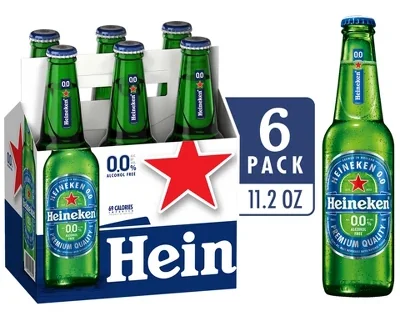
Heineken 0.0
Heineken labels it 0.0% ABV and calls it alcohol-free, the strongest promise a US beer label can make.
| # | Drink | ABV | kcal | Sugar | $/serving | Buy |
|---|---|---|---|---|---|---|
| 1 | A labeled zero Heineken Heineken 0.0 | 0.0% ABV | 69 | 0 g | $1.67 | Brand store |
| 2 | 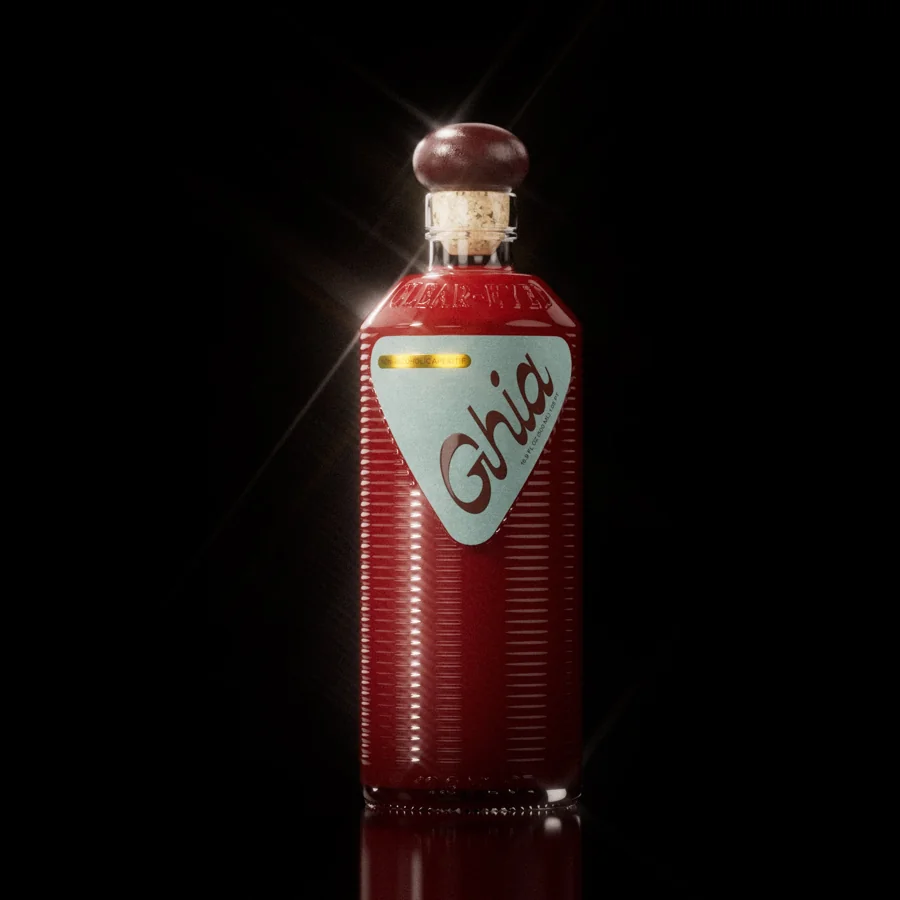 Zero-proof aperitif at 0.0% Ghia Original Apéritif | 0.0% ABV | — | 6.1 g | $4.58 | Buy on Amazon |
| 3 | 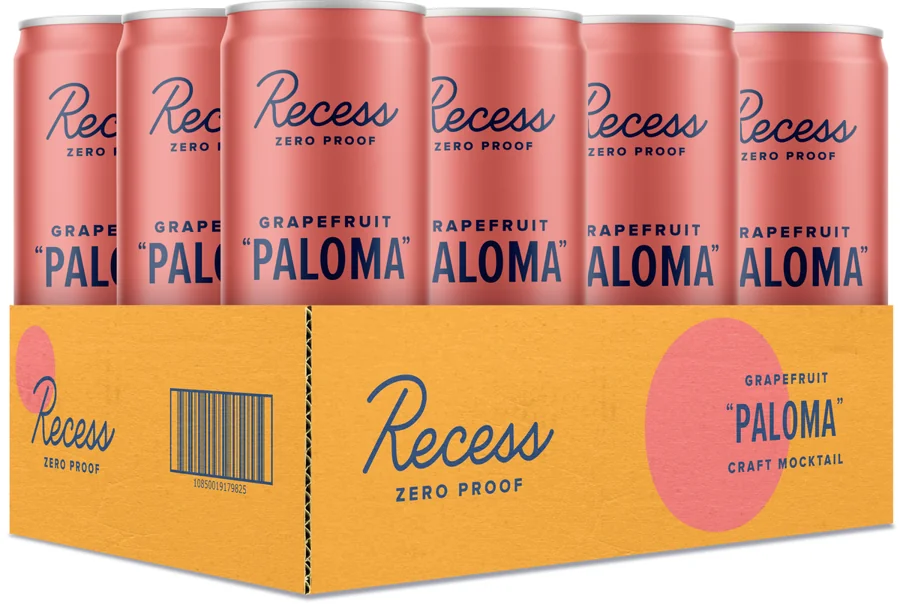 Canned zero proof, 0% ABV Recess Recess Zero Proof Grapefruit “Paloma” | 0.0% ABV | 30 | 6 g | $3.17 | Buy on Amazon |
| 4 | 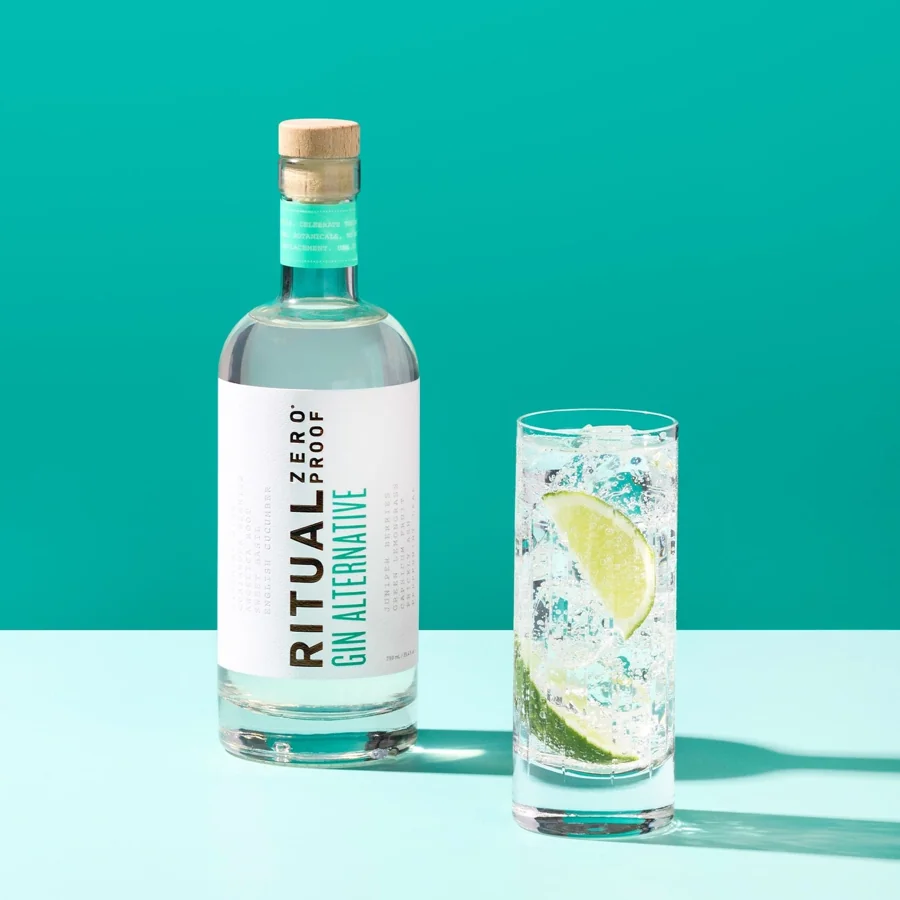 Zero proof, under 0.5% Ritual Zero Proof Non-Alcoholic Gin Alternative | <0.5% ABV | 0 | — | $2.40 | Buy on Amazon |
Canned zero proof, 0% ABV
Recess Recess Zero Proof Grapefruit “Paloma”
0.0% ABV30 kcal6 g sugar$3.17/serving
Zero proof, under 0.5%
Ritual Zero Proof Non-Alcoholic Gin Alternative
<0.5% ABV0 kcalsugar n/a$2.40/serving
Key takeaways
- Zero proof is a bar and marketing term for drinks made without alcohol; no US labeling rule defines it.
- US proof is twice the ABV, so 0.5% ABV, the non-alcoholic ceiling, is 1 proof.
- Non-alcoholic means under 0.5% ABV; alcohol free and 0.0% mean none, under TTB and FDA rules.
- Dealcoholized or alcohol-removed wine has been brought under 0.5% ABV; low alcohol beer can be up to 2.5%.
- Some zero-proof brands, such as Ritual, state their products are under 0.5% ABV, so read the number, not the phrase.
We research rather than taste-test: label data comes from brand pages checked . How we research
On this page6 sections
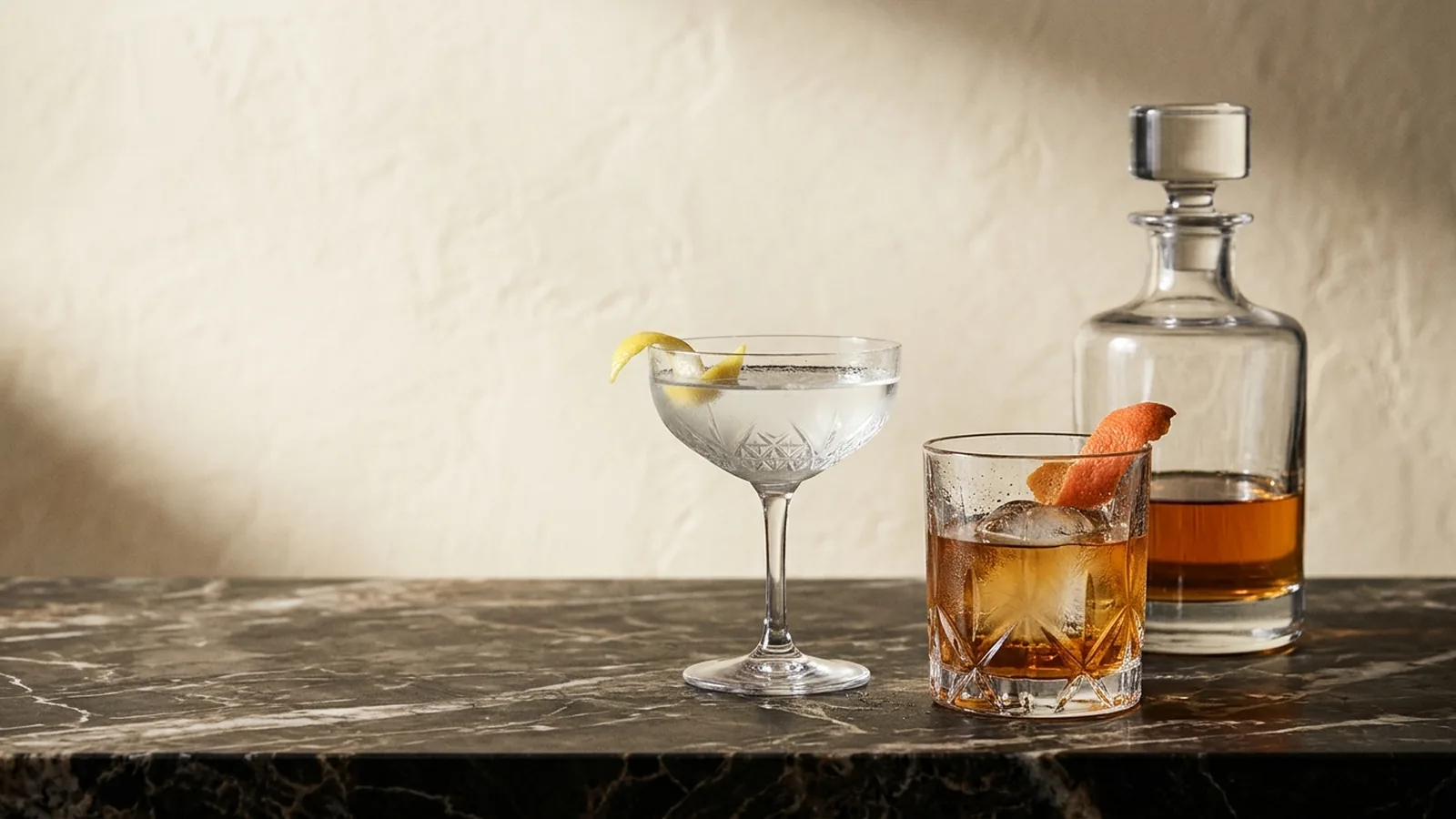
Zero proof means a drink made without alcohol: a cocktail, spirit alternative or can that carries none of the ethanol that gives liquor its "proof". It is a marketing and bar-menu term, not a legal one. No US labeling rule defines it, so a "zero-proof" drink can be truly 0.0% or can contain a trace under 0.5% ABV, the US line for "non-alcoholic". If the exact number matters to you, ignore the phrase and read the alcohol statement next to it.
What "proof" means in the first place
Proof is the older American way of stating spirit strength. Federal tax law (26 U.S.C. 5002) defines proof spirits as liquid that is one-half ethyl alcohol by volume, which is 100 proof. So US proof is simply twice the ABV:
| Alcohol by volume | US proof | Typical example |
|---|---|---|
| 50% | 100 proof | Bottled-in-bond whiskey |
| 40% | 80 proof | Standard vodka or gin |
| 5% | 10 proof | A regular beer (proof rarely printed) |
| 0.5% | 1 proof | The ceiling for "non-alcoholic" |
| 0% | 0 proof | A true alcohol-free drink |
TTB still lets distillers print proof, but under 27 CFR 5.65 a spirits label must state alcohol as a percentage by volume, and any proof figure must appear in the same field of vision. Proof is a spirits word, which is exactly why it caught on for drinks built to replace cocktails.
Note: Strictly, a drink at 0.4% ABV is 0.8 proof, not zero. "Zero proof" describes the intent, not a lab result.
Every term, side by side
US labels draw on two rulebooks. TTB, part of the Treasury, writes the rules for malt beverages (beer-style drinks). FDA covers most other non-alcoholic drinks, including dealcoholized wine. Here is what each common term legally means:
| Term | What it means in the US | Legal definition? |
|---|---|---|
| Zero proof | Made to contain no alcohol; used on cocktails, spirit alternatives and menus | None; marketing term |
| Non-alcoholic | Less than 0.5% ABV. On beer, "contains less than 0.5 percent (or .5%) alcohol by volume" must sit right next to it | Yes: TTB 27 CFR 7.65(e); FDA policy |
| Alcohol free | No alcohol. TTB: no alcohol, no tolerance. FDA: no detectable alcohol | Yes: TTB 27 CFR 7.65(f); FDA CPG 510.400 |
| 0.0% | No alcohol. A beer can only say 0.0% if it is also labeled "alcohol free" | Yes: TTB 27 CFR 7.65(e) |
| Dealcoholized / alcohol-removed | Wine with the alcohol taken out to under 0.5% ABV, with that statement on the label | Yes: FDA CPG 510.400 |
| Low alcohol / reduced alcohol | Beer under 2.5% ABV | Yes: TTB 27 CFR 7.65(d) |
| Low-ABV, "sessionable", "lighter" | Anything below a full-strength drink; can be several percent | None |
| NA, spirit-free, booze-free | Shorthand for non-alcoholic | None |
Two details trip people up. First, FDA does not treat "non-alcoholic" and "alcohol free" as synonyms: a dealcoholized wine may add "non-alcoholic" as an extra claim, but "alcohol-free" is reserved for products with no detectable alcohol. Second, "low alcohol" is not a gentler way of saying non-alcoholic. A low-alcohol beer can hold almost five times the alcohol of a non-alcoholic one.
Label check: If a can says only "zero proof" with no ABV statement, you do not yet know whether it is 0.0% or under 0.5%. Look for the number.
Where the term came from
"Zero proof" borrows the vocabulary of the cocktail bar. The appeal is easy to see: "mocktail" can sound like a sugary afterthought, while putting "proof", a spirits word, next to "zero" signals a drink built with the same craft as the rest of the list.
We could not find a dictionary entry that dates the phrase, so we will not invent one. What is easy to document is how fast it became a brand name. Ritual Zero Proof, the Chicago company that put the words on its bottles, was founded in 2019, and FoodNavigator reported in September 2024 that Diageo North America had acquired it, after first taking a minority stake through Distill Ventures. Today you will see the phrase on bar menus, canned cocktails and spirit alternatives alike.
The brand itself shows why the term needs reading closely. Ritual's FAQ states that its products contain less than 0.5% ABV and are, by legal definition, non-alcoholic. "Zero proof" on the label; under 0.5% in the bottle. That is legal and clearly disclosed, but it is not the same promise as "alcohol free".
Zero proof vs mocktail
The two overlap, and neither has a legal definition. In practice, "mocktail" is the broader, older word for any mixed drink without alcohol, from a Shirley Temple to a virgin margarita. "Zero proof" tends to describe drinks built like adult cocktails: bitter, dry or spirit-forward, often using a spirit alternative in place of gin, whiskey or tequila. A menu may use either for the same glass. What it will not tell you is the ABV, so the label rule above still applies to anything bottled or canned.
Tip: Our spirits explainer covers how zero-proof spirit alternatives are made, and why most are meant for mixing rather than sipping.
Zero proof vs 0.0: who should care
For most adults, the difference between 0.0% and a trace under 0.5% is small. A US standard drink holds about 14 grams of pure alcohol, according to NIAAA, and a 12 oz serving at the 0.5% ceiling holds roughly 1.4 grams, about a tenth of a standard drink at most. Our explainer on whether 0.5% is really alcohol-free puts that in context. Plenty of people happily drink under 0.5% without a second thought; the point is to choose it knowingly rather than assume "zero" means zero.
It matters more if any of these apply:
- Pregnancy. The CDC says there is no known safe amount of alcohol during pregnancy. Choose drinks labeled 0.0% or alcohol free and ask your clinician; see our pregnancy guide.
- Recovery. If your rule is zero, buy the number, not the phrase.
- Driving. A designated driver is best served by a 0.0 drink.
- Faith or personal rules that mean no alcohol at all.
How to read a zero-proof label in four steps
- Find the alcohol statement. Look for "0.0%", "alcohol free" or "less than 0.5% alc/vol". This line outranks every other word on the package.
- Match it to the term. "Alcohol free" or "0.0%" means none; "non-alcoholic" means under 0.5%; "dealcoholized" means wine brought under 0.5%.
- Check the category. A zero-proof spirit is a flavor base for mixing, a canned zero-proof cocktail is ready to drink, and a "low-ABV" cocktail may not be alcohol-free at all.
- Scan for fermentation words. "Raw", "live" or "fermented" can mean alcohol changes over time, as with kombucha.
Our full guide to reading a non-alcoholic label goes term by term, and the label decoder turns any wording into a plain answer. To compare two bottles' wording and calories side by side, use label compare.
Zero-proof drinks worth knowing
Here is how the phrase maps onto what you can actually buy. Every drink in these guides carries the label's own alcohol wording, so you can check the number before you buy:
| You want | Look for | Where to start |
|---|---|---|
| A guaranteed zero | "0.0%" or "alcohol free" | 0.0% beers, Ghia's 0.0% aperitif |
| A cocktail at home | Spirit alternatives labeled under 0.5% or 0.0% | NA spirits, NA gin picks |
| A drink with no shopping | Your own zero-proof cocktail | Mocktail recipes, such as the NOgroni |
| Ready to pour | Canned zero-proof cocktails | Best canned mocktails |
Bottom line: Zero proof means "made without alcohol", but it is a style word, not a legal standard. In the US, only "alcohol free" and "0.0%" promise none, and "non-alcoholic" allows up to a trace under 0.5%. Read the number, not the phrase.
4 picks
The picks, in detail
1A labeled zero
Heineken
Heineken 0.0
Heineken labels it 0.0% ABV and calls it alcohol-free, the strongest promise a US beer label can make.
- ABV
- 0.0%
- Calories
- 69
- Sugar
- 0 g
- Per serving
- $1.67
2Zero-proof aperitif at 0.0%
Ghia states 0.0% alcohol on its Original Apéritif, a bitter base for spritzes and zero-proof cocktails.
- ABV
- 0.0%
- Calories
- n/a
- Sugar
- 6.1 g
- Per serving
- $4.58
3Canned zero proof, 0% ABV
Recess
Zero Proof Grapefruit “Paloma”
Recess uses zero proof in the name and backs it with a 0% ABV statement on the product page.
- ABV
- 0.0%
- Calories
- 30
- Sugar
- 6 g
- Per serving
- $3.17
4Zero proof, under 0.5%
Ritual Zero Proof
Non-Alcoholic Gin Alternative
A popular gin alternative whose maker states its products contain less than 0.5% ABV, legally non-alcoholic rather than alcohol-free.
- ABV
- <0.5%
- Calories
- 0
- Sugar
- n/a
- Per serving
- $2.40
Questions
What does zero proof mean?
Zero proof means a drink made without alcohol, most often a cocktail or spirit alternative. It is a marketing term, not a legal one, so check the label for 0.0% or less than 0.5% ABV.
Is zero proof the same as non-alcoholic?
Not exactly. Non-alcoholic has a US legal meaning, under 0.5% ABV. Zero proof has no legal definition and is used on drinks that are either 0.0% or under 0.5%.
Does zero proof mean no alcohol at all?
Not always. Some zero-proof products are 0.0%, while others, including Ritual Zero Proof, state they contain less than 0.5% ABV. Only alcohol free or 0.0% on a US label means none.
What is the difference between a mocktail and a zero-proof cocktail?
Neither term is legally defined. Mocktail is the broader word for any alcohol-free mixed drink, while zero proof is usually used for drinks built like adult cocktails, often with a spirit alternative.
How is proof calculated?
In the US, proof is twice the alcohol by volume. Federal law defines proof spirits as half alcohol by volume, which is 100 proof, so a 40% ABV gin is 80 proof.
Keep going
Tool
0.0 or 0.5? Label decoder →
Tool
Label compare →
From the blog
What is a mocktail?
From the blog
Is ginger beer alcoholic?
From the blog
Can you drink non-alcoholic beer while pregnant?
Read next
How to read a non-alcoholic label
Read next
What are non-alcoholic spirits?
Read next
Is 0.5% ABV really alcohol-free?
Read next
The best 0.0% alcohol-free beer in 2026
Head to head
Heineken 0.0 vs Athletic Upside Dawn
Head to head
Ritual Gin Alternative vs Monday Zero Alcohol Gin
Recipe
Non-Alcoholic Negroni (NOgroni)
Recipe
Virgin Margarita
Sources
- 1.eCFR via Cornell LII — 27 CFR 7.65, alcohol content terms for malt beverages (low alcohol, non-alcoholic, alcohol free, 0.0%)(checked November 15, 2026)
- 2.TTB — Malt beverage alcohol content labeling(checked November 15, 2026)
- 3.FDA — CPG Sec. 510.400, dealcoholized wine and malt beverages labeling(checked November 15, 2026)
- 4.Cornell LII — 26 U.S.C. 5002, definitions of proof spirits and proof gallon(checked November 15, 2026)
- 5.eCFR via Cornell LII — 27 CFR 5.65, alcohol content and proof statements on distilled spirits labels(checked November 15, 2026)
- 6.Ritual Zero Proof — FAQ (products contain less than 0.5% ABV)(checked November 15, 2026)
- 7.FoodNavigator — Diageo acquires Ritual Zero Proof (September 2024)(checked November 15, 2026)
- 8.NIAAA — What is a standard drink?(checked November 15, 2026)
- 9.CDC — About alcohol use during pregnancy(checked November 15, 2026)